Bibimbap for Beginners: How International Students Can Cook Korea's Most Iconic Bowl in Under 40 Minutes
There's a moment most international students will recognise. It's around 9 p.m., the library has just closed, the takeaway down the road wants £14 for something that won't even fill you up, and the fridge is staring back with two eggs, half a carrot, and a sad-looking courgette. This is exactly the moment bibimbap was made for.
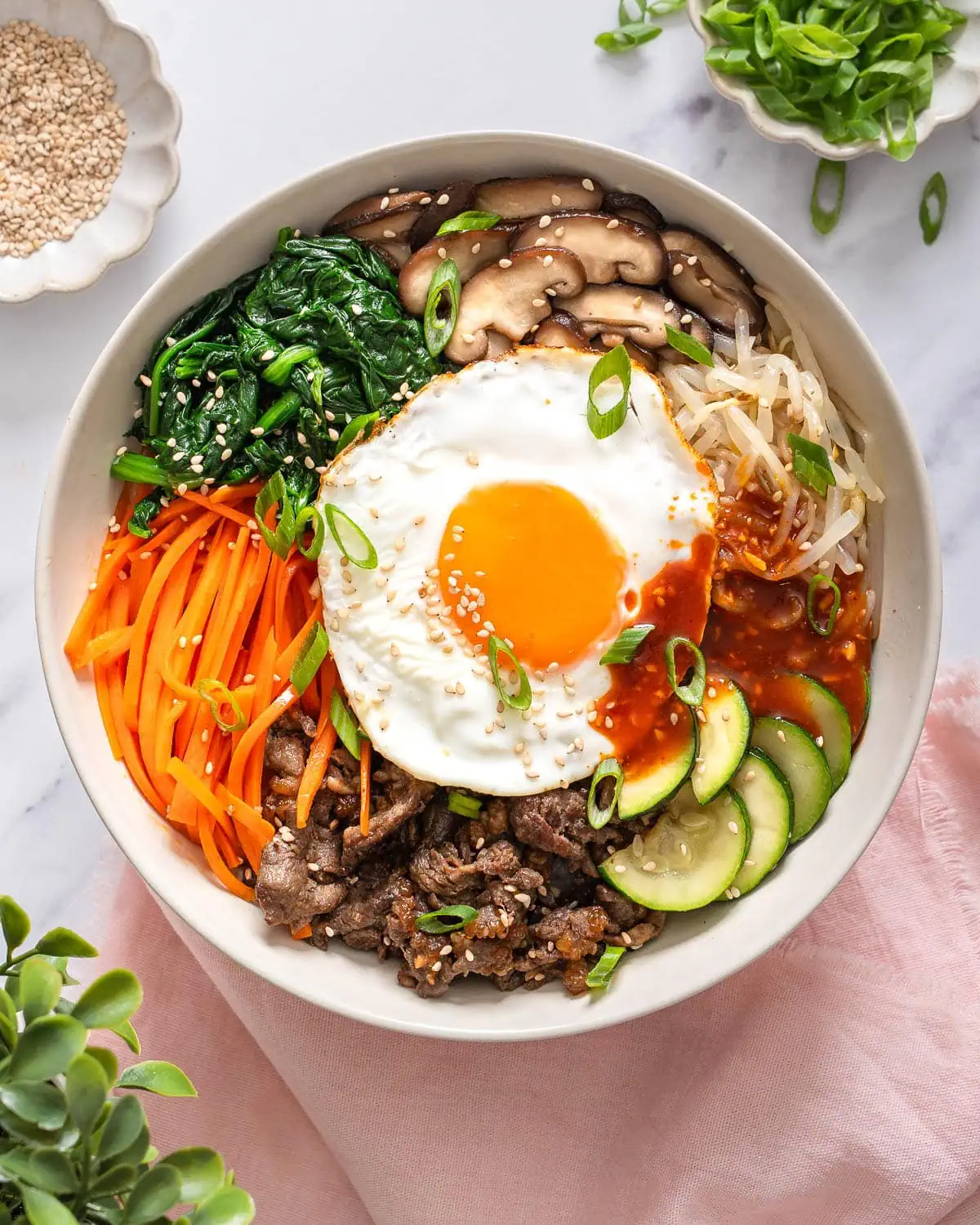
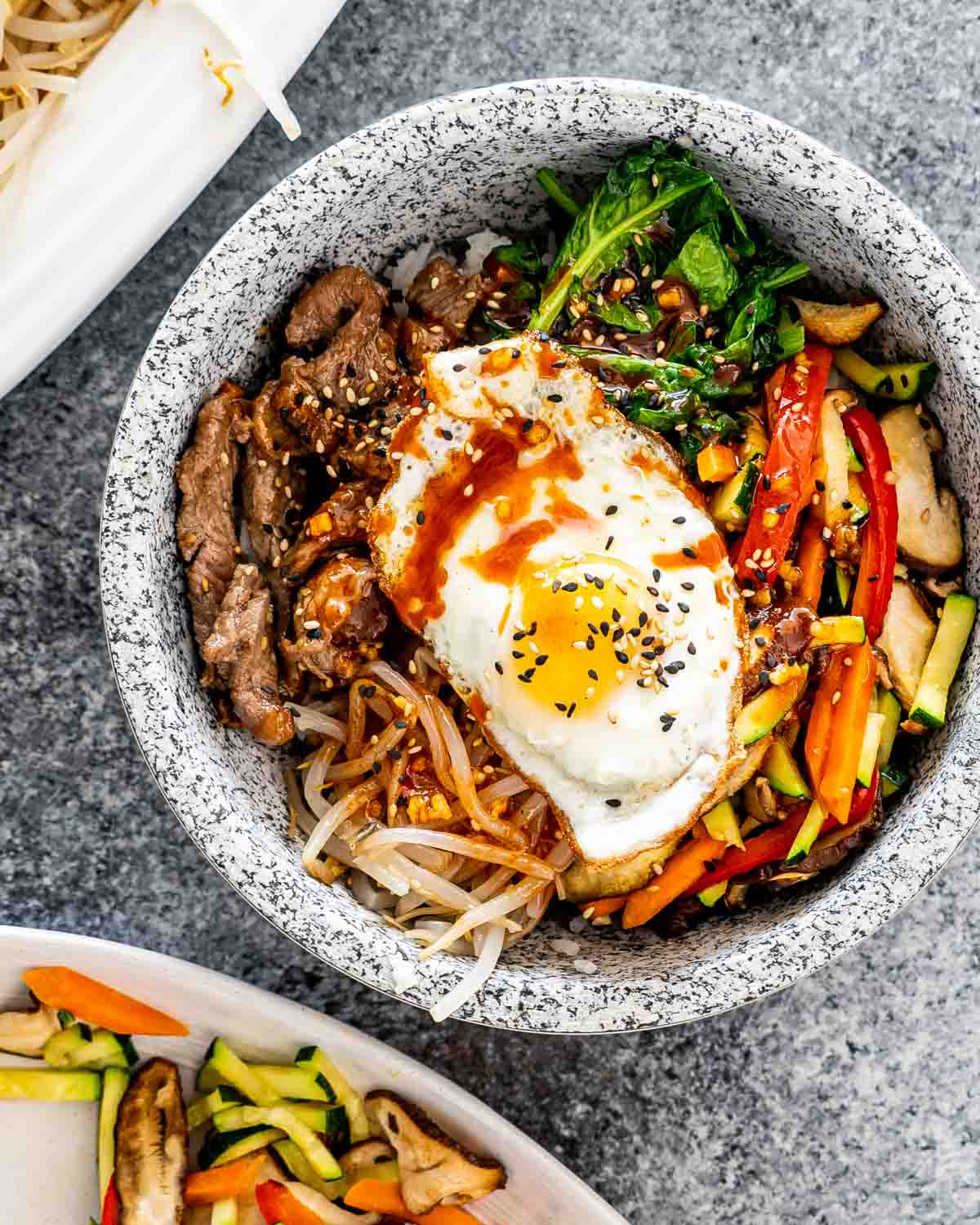
Bibimbap (literally "mixed rice") is one of those rare dishes that feels both like a treat and a clever piece of housekeeping. It's colourful, satisfying, full of vegetables, and it's built to use up whatever you've got. For students juggling a tight grocery budget, a tiny shared kitchen, and limited time between lectures, it might just be the most useful recipe you'll learn this year.
This guide will walk you through a beginner-friendly version — no special equipment, no obscure ingredients, no chef-school technique. Just a warm, generous bowl that tastes like something you'd get at a restaurant.
Why bibimbap belongs in every student's recipe rotation
Most "student recipes" online fall into two camps: punishingly basic (pasta with butter, again) or weirdly aspirational (a recipe that quietly assumes you own a food processor). Bibimbap sits in a much friendlier middle ground.
Here's what makes it work for student life:
It's flexible. The traditional version uses spinach, carrots, courgette, mushrooms and bean sprouts, but the dish works just as well with cabbage, kale, peppers, or anything green that's about to turn. If you've ever stared at a half-empty fridge wondering what to do with three random vegetables, bibimbap is your answer.
It's cheap. Rice, eggs, and seasonal vegetables are some of the most affordable ingredients in any country. Even with a couple of Korean store-cupboard items added (we'll get to those), you're looking at roughly £2–£3 per portion.
It's good for you. A bowl typically delivers a balance of carbs, protein, fibre and a generous dose of vegetables — which, after a week of instant noodles, your body will genuinely thank you for.
And finally, it's a meal worth slowing down for. There's something quietly grounding about chopping vegetables and arranging them in colourful piles after a stressful day. Cooking, for a lot of international students living far from home, ends up being one of the most reliable forms of self-care.
What you'll need
Before you start, a quick word about the two ingredients you might not already have: gochujang and sesame oil. Both are inexpensive, both last for months, and both will quietly upgrade dozens of other meals — fried rice, noodles, marinades, dipping sauces. They're worth the small initial investment.
You'll find them in any Asian supermarket and increasingly in the world food aisle of large supermarkets like Tesco, Sainsbury's, Carrefour, Esselunga or Albert Heijn.
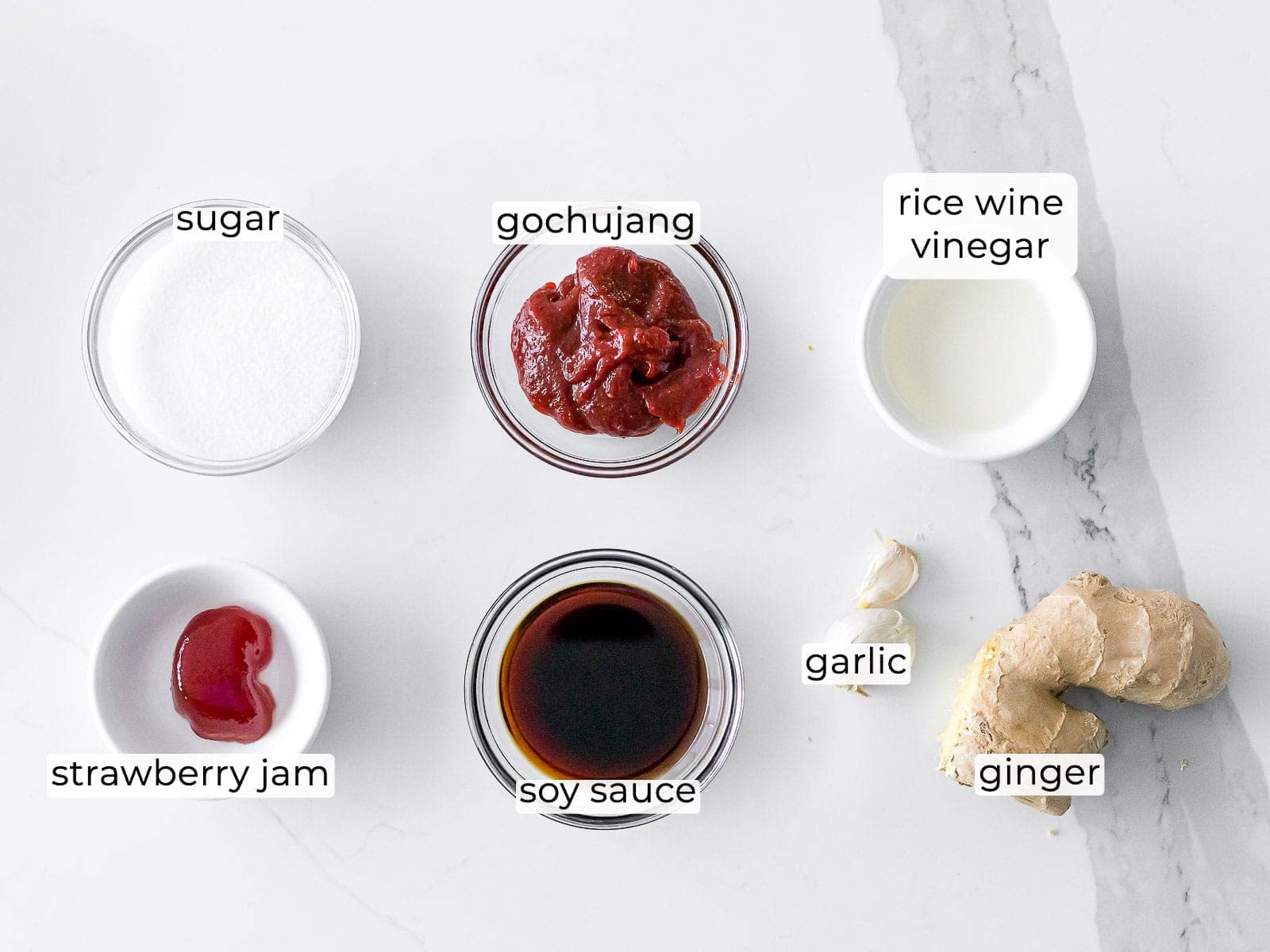
Ingredients (serves 2)
For the bowl:
- 1 cup short-grain or jasmine rice (around 200g)
- 2 eggs
- 1 medium carrot, julienned (cut into matchsticks)
- 1 small courgette, sliced into thin half-moons
- 2 large handfuls of spinach (or any leafy green)
- 1 cup mushrooms, sliced (button, chestnut or shiitake all work)
- 1 cup bean sprouts (optional, but nice if you can find them)
- 2 cloves garlic, minced
- Sesame oil
- Soy sauce
- Vegetable oil for cooking
- Salt
- Sesame seeds, to garnish (optional)
For the gochujang sauce:
- 2 tbsp gochujang (Korean red chilli paste)
- 1 tbsp sesame oil
- 1 tbsp soy sauce
- 1 tbsp sugar or honey
- 1 tsp rice vinegar (or apple cider vinegar)
- 1 tbsp water
Optional protein: 150g chicken, beef, tofu or tempeh — whatever you have. Bibimbap is just as good without it.
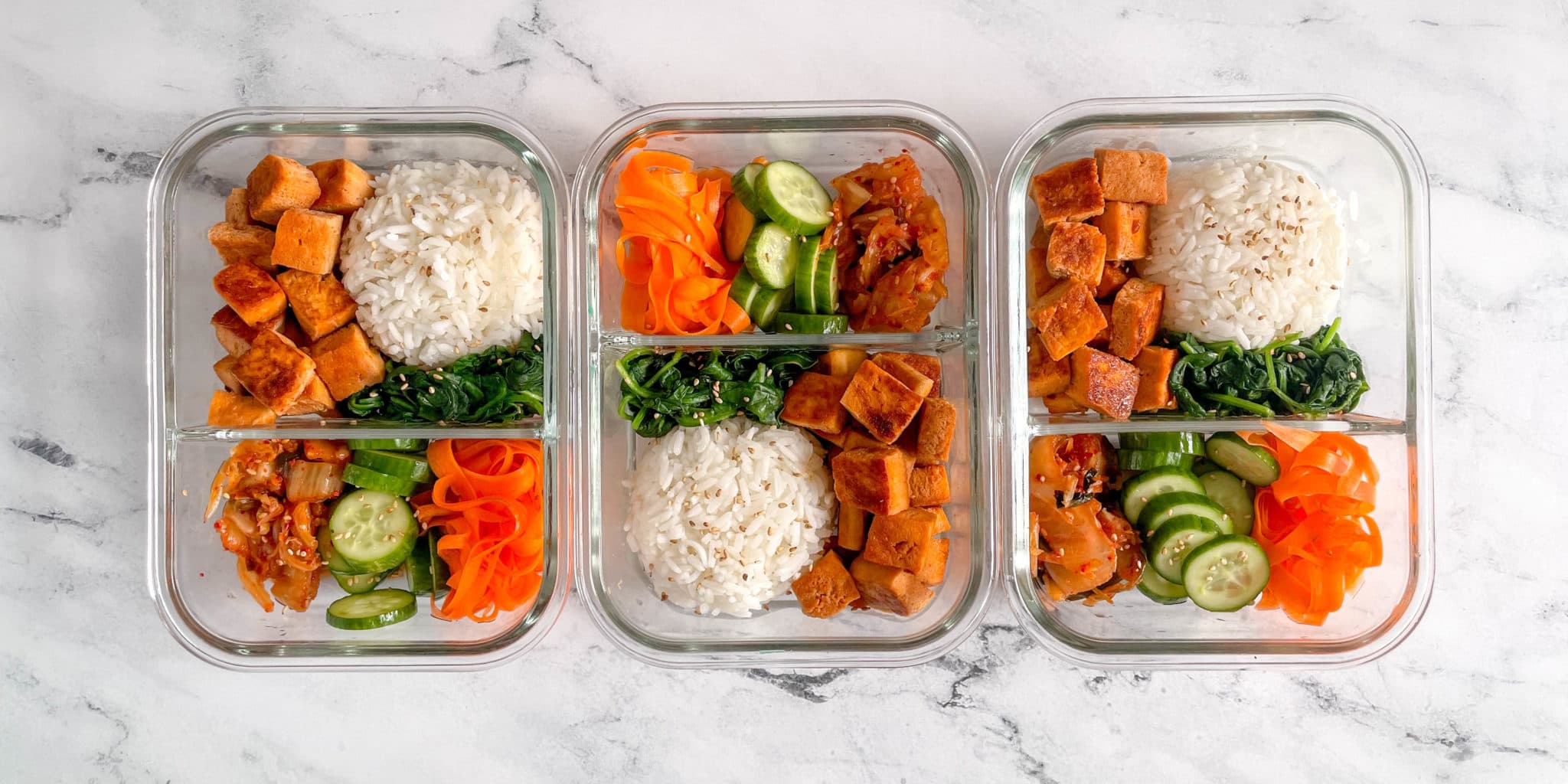
The method: 40 minutes, one bowl, very little stress
The trick with bibimbap is that nothing is technically difficult — it's just a series of small, simple actions. The most useful skill to develop here is parallel cooking: keep the rice going while you prep, then run vegetables through the same pan one after another. You'll be done before you know it.
Step 1: Start the rice (5 minutes of work, 20 minutes total)
Rinse the rice under cold water until the water runs almost clear. This stops the rice clumping and tasting starchy. Cook according to packet instructions — usually 1 cup rice to 1¼ cups water, brought to a boil, then simmered covered on low heat for 12–15 minutes, then left to rest off the heat for another 5 minutes.
If you have a rice cooker, even better. If not, a pan with a tight lid is fine. Don't lift the lid while it's cooking — that's the only real rule.
Step 2: Mix the sauce (2 minutes)
In a small bowl, combine all the gochujang sauce ingredients and stir until smooth. Taste it. It should be sweet, salty, tangy and spicy all at once. Adjust to your liking — more honey if it's too sharp, more vinegar if it's too heavy, more gochujang if you want more heat.
This sauce keeps in the fridge for two weeks and is excellent on rice, noodles, eggs, or as a dipping sauce for dumplings.
Step 3: Prep and cook the vegetables (10 minutes)
This is where you'll feel like a real cook. Each vegetable gets cooked separately and seasoned simply — that's what gives bibimbap its distinct, layered flavour rather than the muddled taste of a stir-fry.
Don't worry about washing the pan between each one. Just keep going.
A meal that travels with you
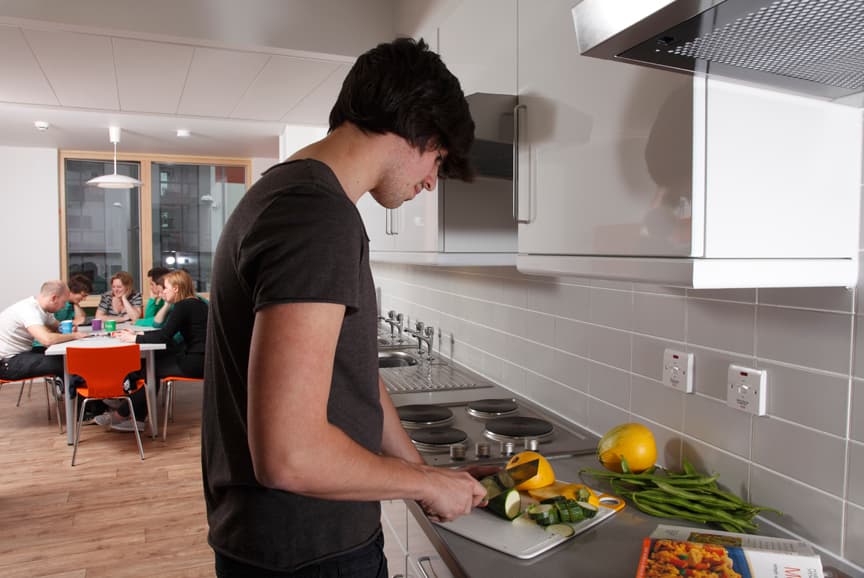
Cooking food from a culture that isn't your own is one of the strangest, quietest privileges of student life abroad. You're not just learning a recipe — you're picking up a small, edible piece of someone else's everyday. Korean students living abroad have been making variations of this bowl in tiny shared kitchens from Seoul to Sydney to Edinburgh for decades, and now you're in that lineage too.
The next time the library closes and the fridge looks bleak, you'll have something better than takeaway. You'll have a bowl of something colourful, something balanced, something you made yourself — and that, after a long day, is its own kind of comfort.